
The Vaginal Microbiome
And how it influences our babies

So, there I was: Legs akimbo, sweat pouring down my face, dignity out the window, with muscles aching and screaming for reprieve. I was in the final throes of giving birth and generally not having a great time.
My thoughts went to my sister, who had opted for the seemingly far more civilized option of a planned C-section. Her delivery had been rather pleasant by all accounts, and as I lay there questioning whether I had the strength to go into hour 27 of labor, it seemed like the more reasonable option.
But in the months leading up to this, I had been incredibly stubborn in my choice for a natural birth. Some women may opt for the natural route for a sense of achievement, empowerment, mental fortitude, or simply because it feels more natural to them. I chose it for the vaginal microbiome.
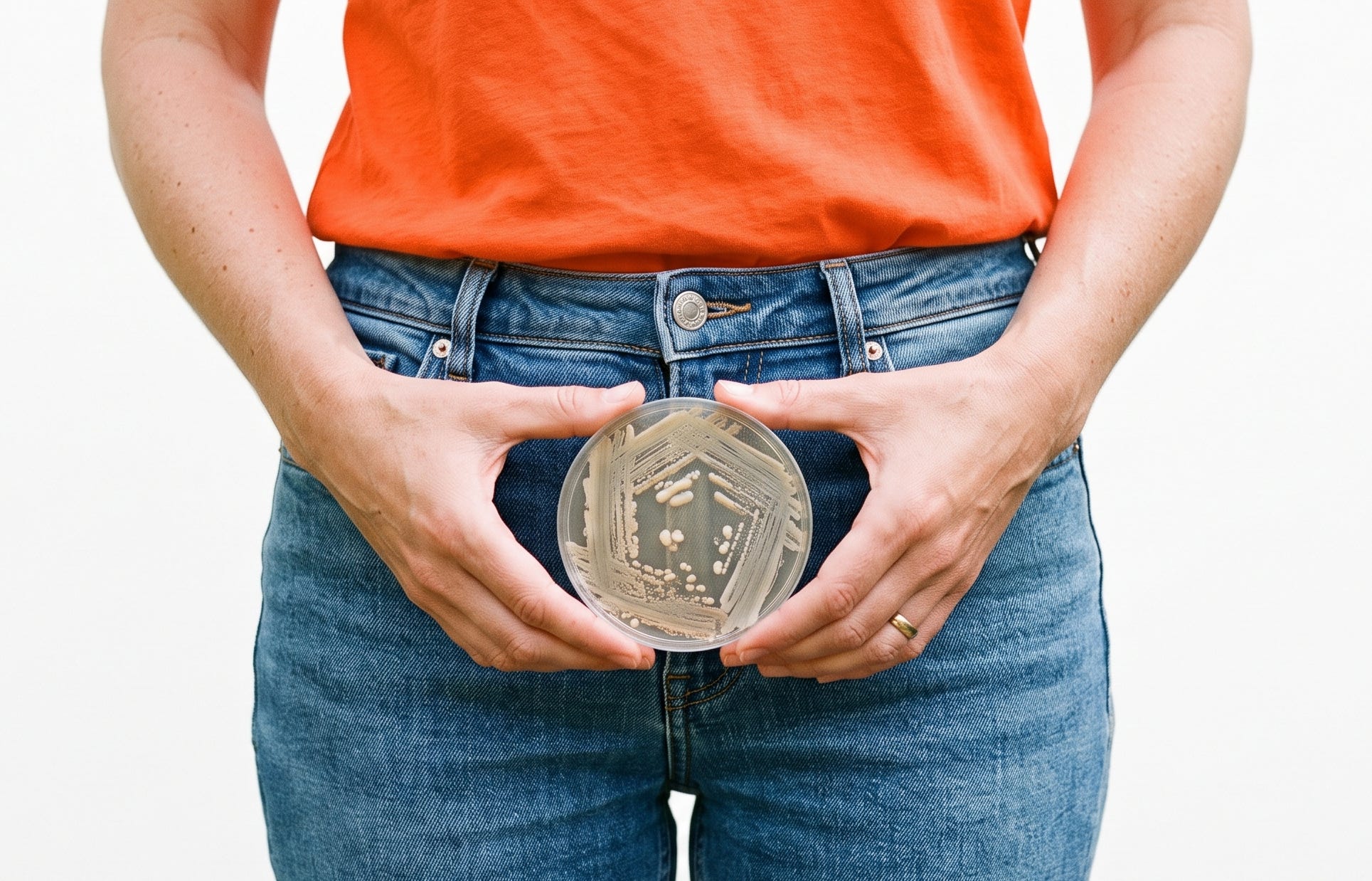
While we bob around in the warm amniotic fluid as a fetus, we are largely believed to be fairly sterile little beings. There is currently a fierce debate as to how sterile the womb really is, with some arguing that bacteria are present in the amniotic fluid and the placenta, while others are convinced this evidence is nothing more than experimental contamination.
The question of when this transfer happens is a mixed bag in nature. I once worked on sponge embryos of Tethya rubra sponges and found that the parent sponge passes a consistent subset of its microbiome to the embryo before it ever leaves the parent’s body. On the other end of the spectrum, the Lagria beetles I’ve worked with coat their eggs in select bacteria from their microbiomes, which the hatching larvae then ingest as they eat their way out. In this case, the bacteria are delivered precisely at the moment of entering the world, not before. Both strategies exist in nature. Both work. So when scientists argue about whether human babies acquire bacteria in the womb or only during birth, the honest answer is: it could be either, and it could be both. There is precedent for either route. Time will tell how sterile our babies really are.
Now, I do want to take a moment before diving into the science: if during birth, a child is born via C-section, there is absolutely nothing wrong with that. My sister had both her sons popped out the sun-roof rather than the vaginal door, and they’re both happy and healthy boys. There is no wrong way to give birth.
Of all the various human microbiomes, the vaginal microbiome is the least diverse. In other words, where most human holes and mucus-covered bits are normally home to a wide variety of bacteria, the vaginal canal tends to be dominated by a single type of bacterium, the Lactobacillus. These bacteria can gobble up sugars in vaginal secretions and convert them into lactic acid. This acid essentially keeps the vagina clean by killing other pathogenic bacteria that could cause disease, impact the woman’s fertility, or affect the health of her unborn baby.
However, it would seem that I had somewhat gotten the wrong end of the stick with my devotion to the vaginal microbiome. The wrong end, but the right stick. Vaginal bacteria don’t influence the gut microbiota of babies much at all. The real influence is a tad less appealing and right next door to the vaginal microbiome.
It’s a badly kept secret that many mothers who give birth vaginally poop during the miracle of birth. This is largely because of the enormous pressure being applied to our poor bowels, but this apparent humiliation serves a vital purpose: bits of that poop essentially get all over our beautiful newborns and seed their gastrointestinal system with all the right bacteria to set up a healthy, functional gut. This was discovered in a landmark “Baby biome” paper published in 2019.
In this study, scientists used shotgun metagenomics to study the bacteria (and other microbes) present in the poop of almost 600 newborn babies. With a roughly 50:50 ratio of vaginal- and cesarean-section-born babies included in the study, the researchers were able to determine whether the mode of birth would affect the babies’ newly minted gut microbiota. The results were clear: Vaginally born babies had microbiomes populated by bacteria that were native to a healthy gastrointestinal tract, while babies born via C-section were instead initially colonized by less friendly bacteria from the hospital environment. This difference in colonizing bacteria was shown to correlate with an increase in respiratory infections in C-section babies, but ultimately, the gut microbiota of all infants began to look much the same within a year or so.
And it would seem that a factor influencing baby microbiota looking the same may be their baby buddies. Again, using shotgun metagenomics, a 2026 study investigated the gut microbiomes of 43 Italian babies, as well as their entire families, infant educators, and even family pets, to identify potential sources of additional gut microbiota. Surprisingly, they found that baby-to-baby transmission of bacteria accounted for more of a baby’s microbiome than their mothers or any other family member or pet. The well-known joke is that babies are living petri dishes that spread colds around families like wildfire, but it would seem then that they’re also responsible for making sure that other babies are getting all the right bacterial buddies, too. So next time you see your precious angel stick their hand into another baby’s mouth, resist the urge to whip out the hand sanitizer and know that they’re just helping their tiny friend build a gut inhabited by even tinier microbial friends.
References:
https://doi.org/10.1038/s41598-022-10869-7
https://www.nature.com/articles/d41586-018-00664-8
https://doi.org/10.1038/s41564-023-01500-0
https://doi.org/10.1038/s41598-022-12007-9
https://doi.org/10.1038/s41586-019-1560-1
https://www.nature.com/articles/s41586-025-09983-z#Abs1
Well I wasn’t expecting that this evening - thanks for the enlightenment.
Oh wow! I've never heard of a pre-birth enema... you'd think the woman in question would have more pressing matters at hand 😅 Super happy to hear about the safe arrival of your little human, and their immediate introduction to theor lifelong microbial companions 😁